SurveyMonkey · Repositioning · 2021–2026
Repositioning SurveyMonkey for the business buyer. Twice.

SurveyMonkey · Repositioning · 2021–2026
SurveyMonkey was the survey tool almost everyone had used once, for free. That’s great for sign-ups. It’s a tough opener when you’re selling a research platform to a CMO or a head of HR.
After the IPO, the company needed a brand that could walk into an enterprise deal without leading with the word “survey.”
We launched Momentive as the corporate brand, with SurveyMonkey and the enterprise products underneath it, then built a full-funnel B2B program with PMG on LinkedIn, one message per stage.
The creative sold to decision-makers, not survey-takers: black-and-white portraits, one highlighted line, and claims about speed and confidence instead of question types.

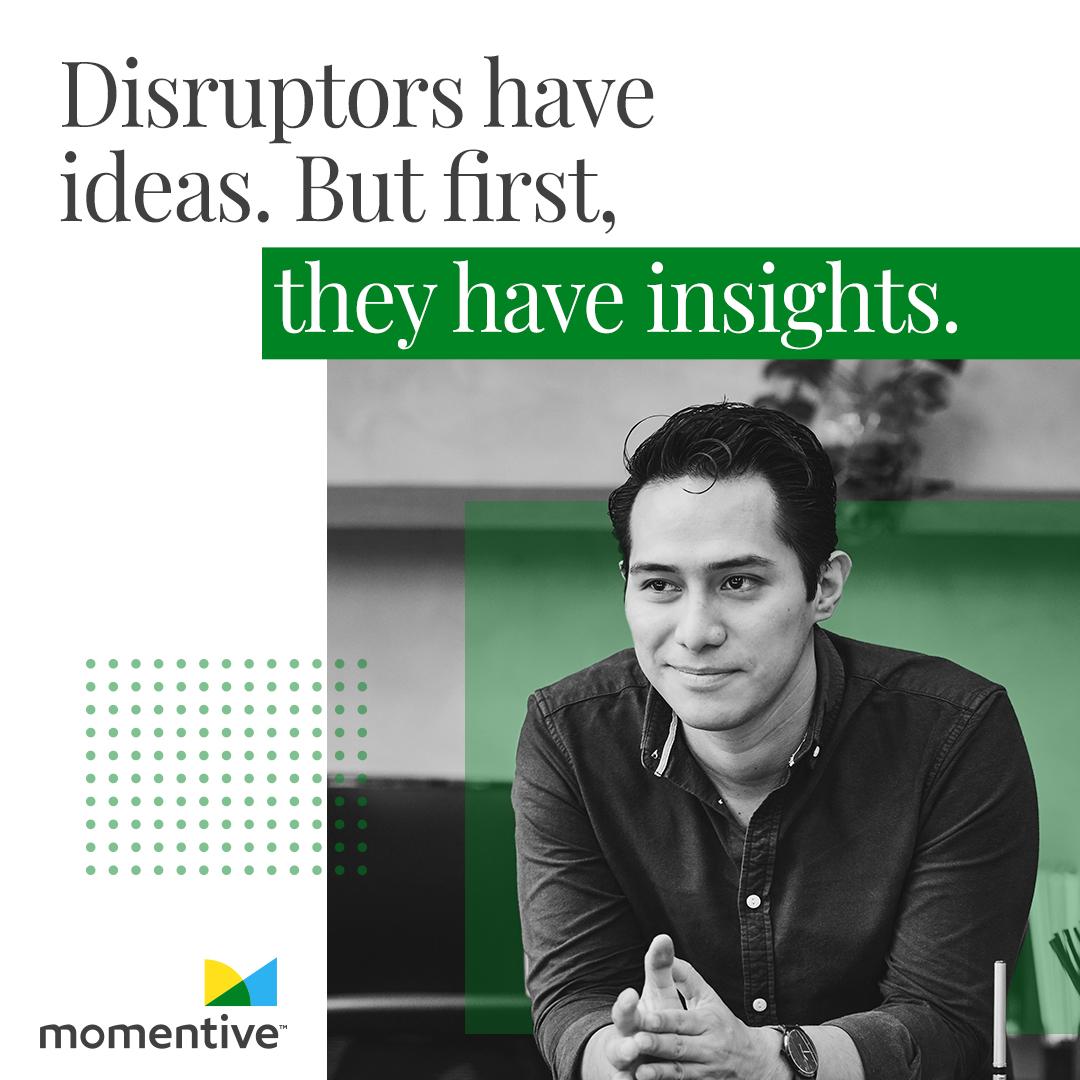
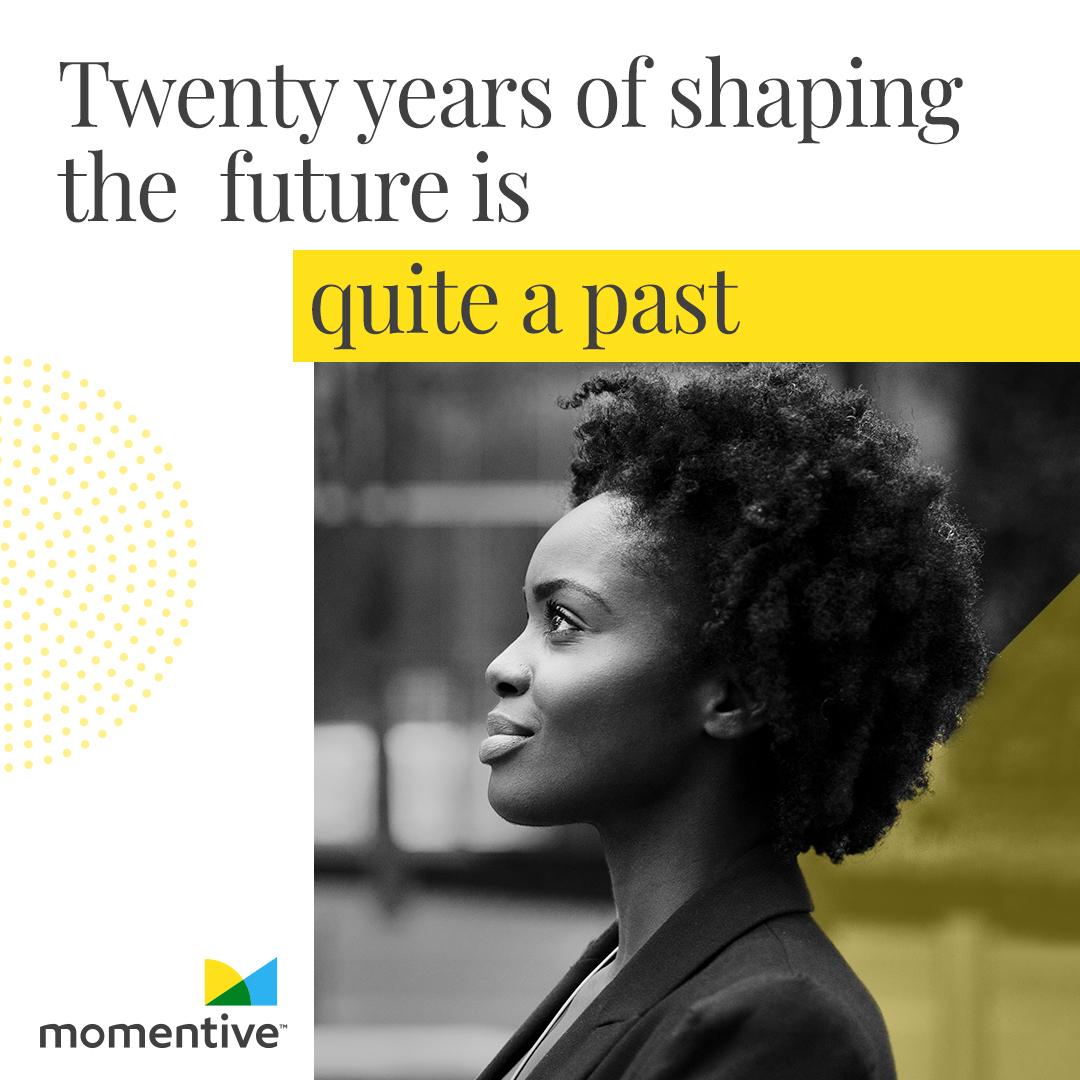
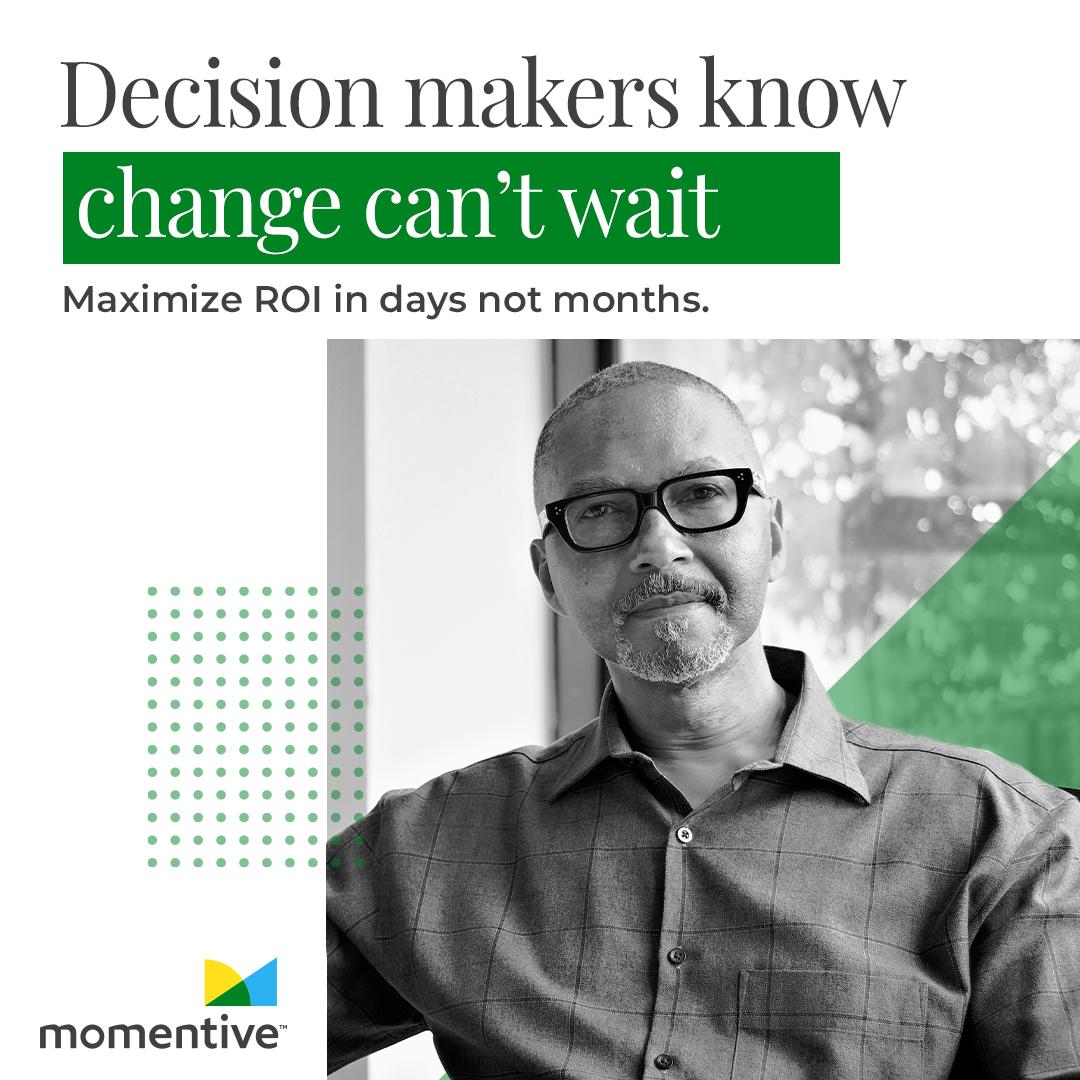
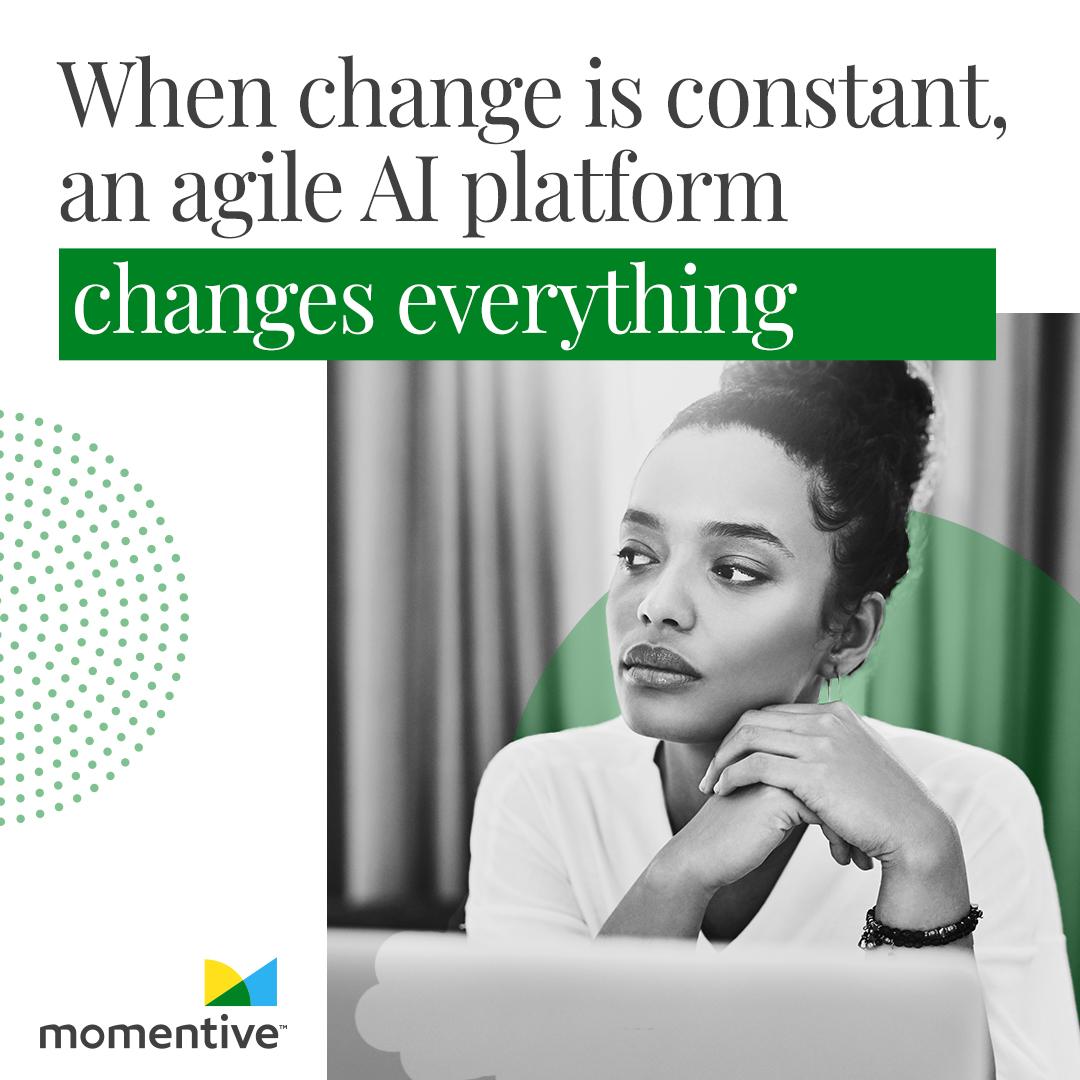
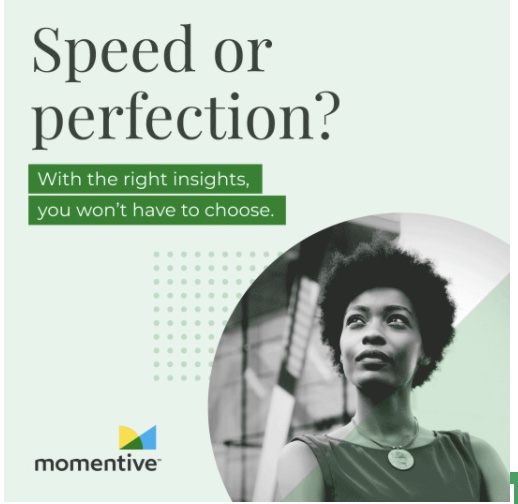
Momentive on LinkedIn: one message for each stage of the funnel
Momentive moved enterprise pipeline up 35% year over year. It also split the brand in two. Over time, the portfolio picked up its own logos, a handful of typefaces, sub-brands with separate microsites, and plan names nobody could compare side by side.
We started calling it the fragmentation tax. And customers were still searching for, buying, and recommending SurveyMonkey.
Under private equity ownership, the company went back to one master brand, and I led the new brand architecture. SurveyMonkey became both the parent brand and the flagship product, and every offer got the same pattern: “SurveyMonkey ___.”
Mailchimp and Jotform outgrew the literal words in their names. So could we.
“We’re beyond worrying about the word ‘survey’ in our name.”
From the brand architecture brief
The market research products needed a name that felt premium without leaving the family. We built a shortlist, threw out anything that sounded like a feature, and tested the finalists with 2,712 customers, 1,631 panelists, and 117 employees.
LaunchPad won on appeal, uniqueness, and the one that matters most for a curiosity brand: people wanted to learn more.

SurveyMonkey Brand Creative studio · Product Marketing · Research · PMG