SurveyMonkey · What if you just knew? · Out-of-home, Boston & Chicago
Two cities. One question. Two very different answers.
SurveyMonkey · What if you just knew? · Out-of-home, Boston & Chicago
Going into 2026, the business world felt uncertain and every decision felt riskier. We’d seen this pattern before: when COVID hit, the share of surveys tied to it rose in step with new paid bookings. When uncertainty goes up, people ask more questions.
Our brand data said SurveyMonkey wasn’t differentiated on personality or emotion. Recognition wasn’t the problem. Meaning was. So the campaign set out to own a feeling instead of a feature: the exhale you get when you stop guessing.
From clench to unclench. That was the whole brief.
“What if you just knew?” is an invitation, not a promise. “You” puts the audience at the center of the story. The past tense carries the feeling of hindsight. And “just knew” is the relief of finally being unblocked.
It is not about being all-knowing. SurveyMonkey doesn’t hand you answers or predict the future. It gives you the tools to go get the truth yourself, from real people, before the decision gets made for you.
We built a geo test into a brand campaign. Instead of spreading out-of-home thin, we went deep in two dense, professional cities and held Philadelphia back as a control market, so we could actually read the lift.
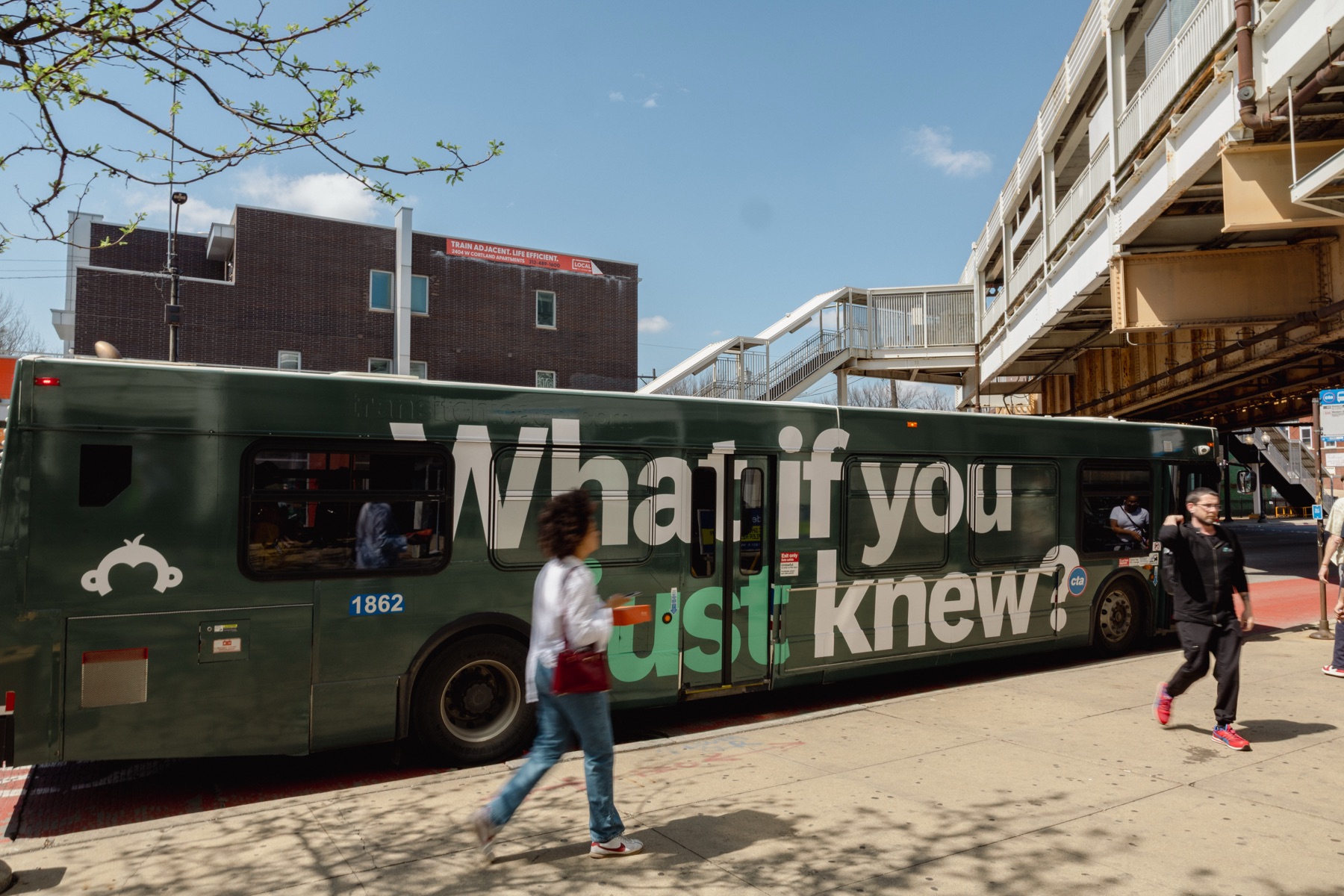
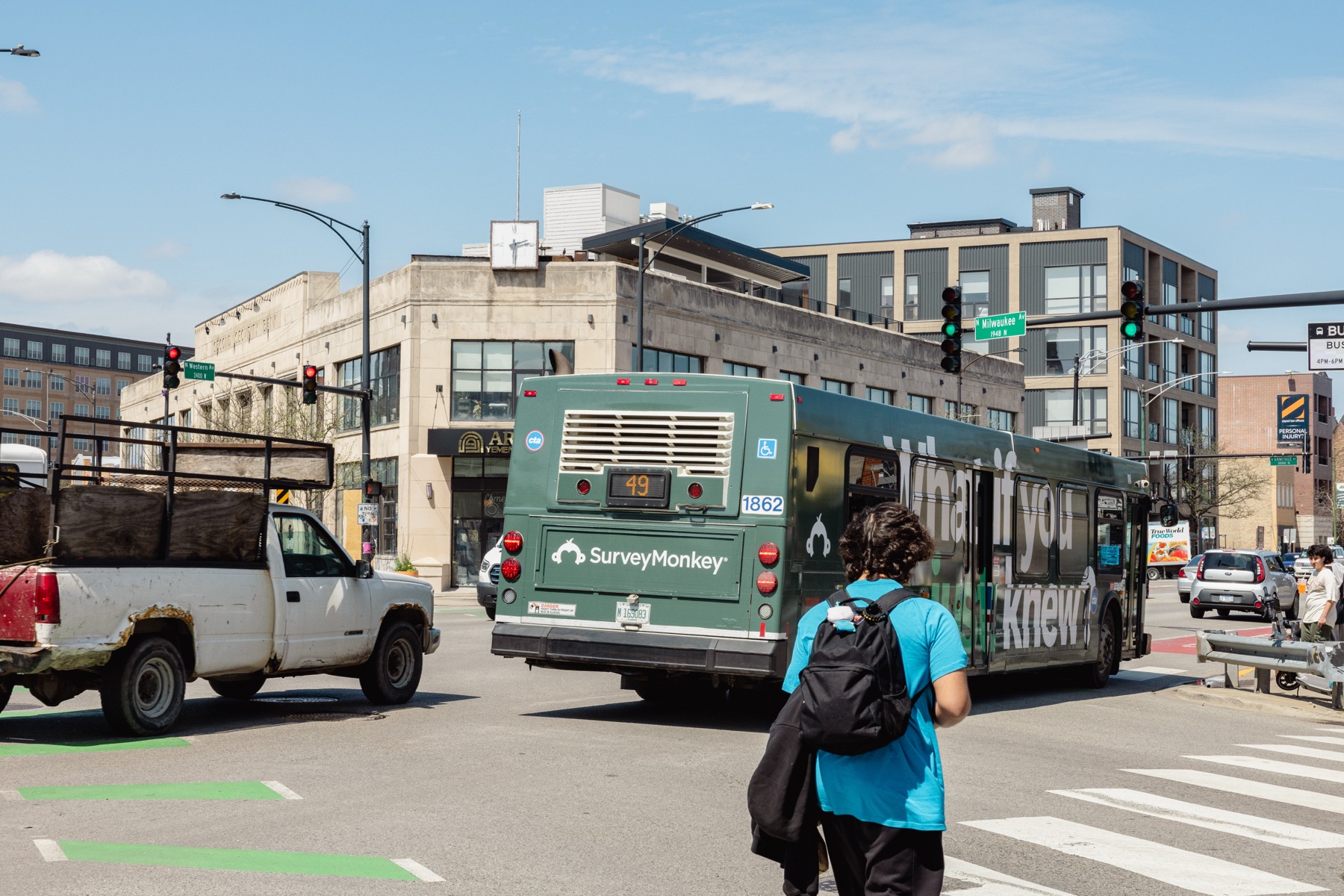
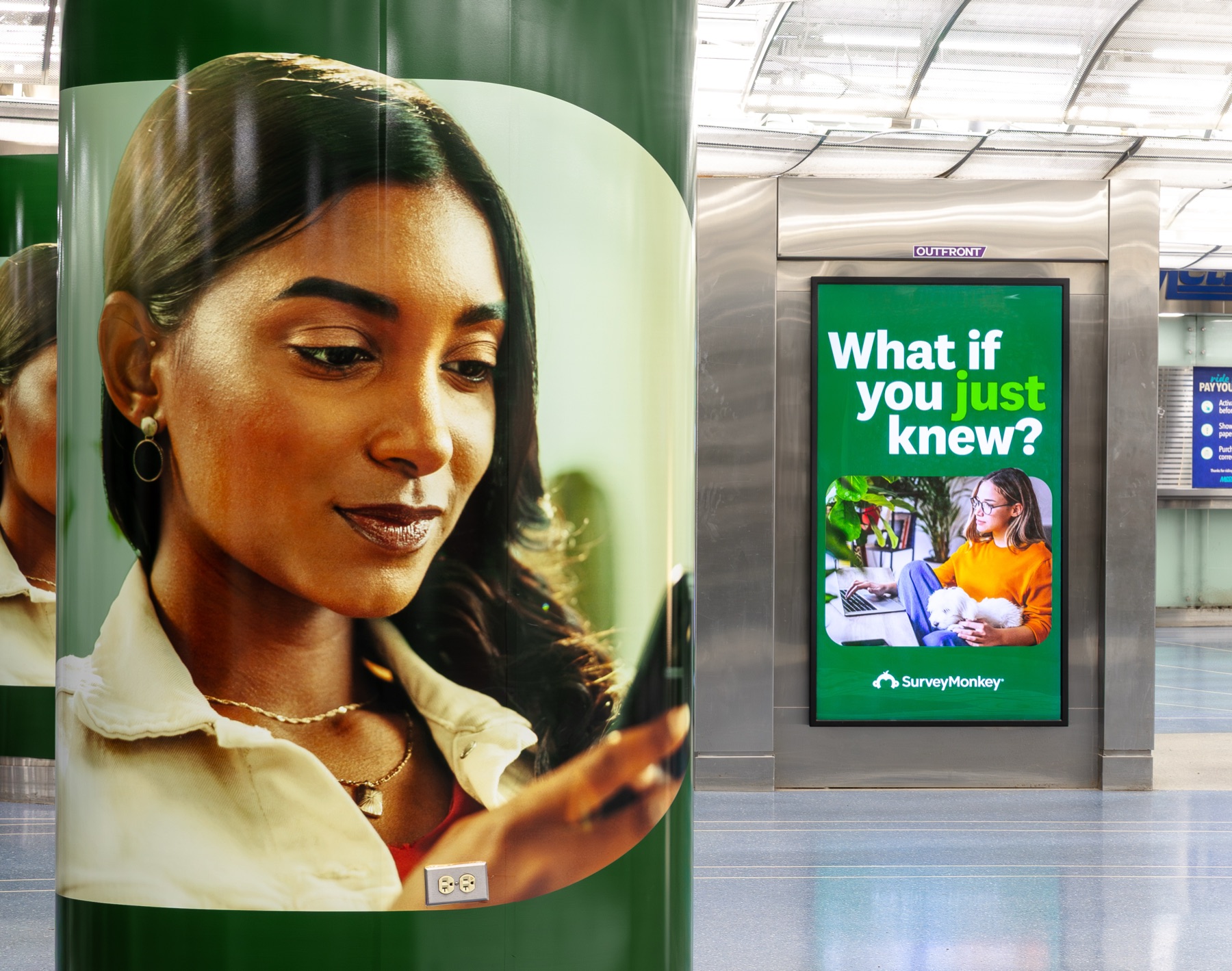
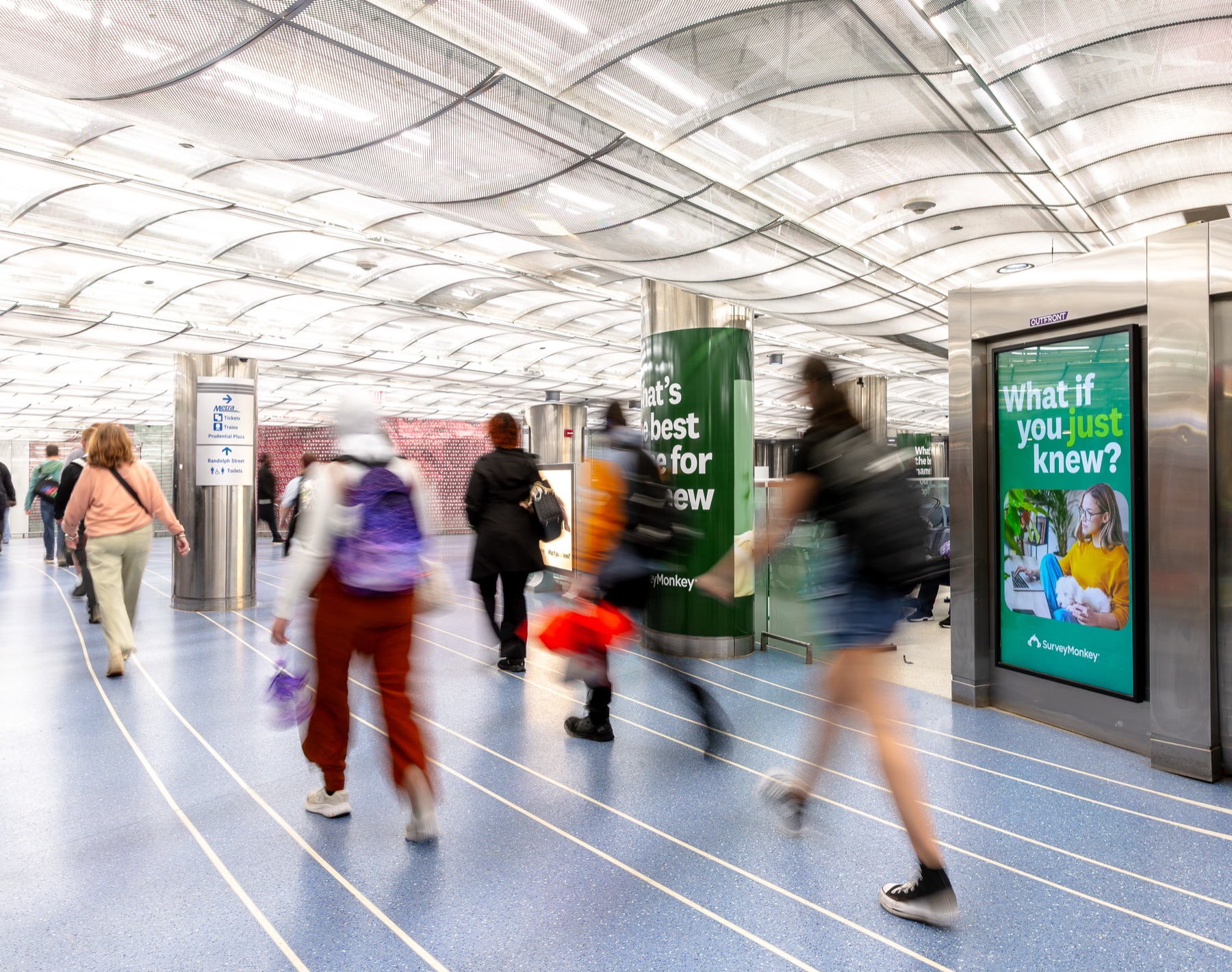
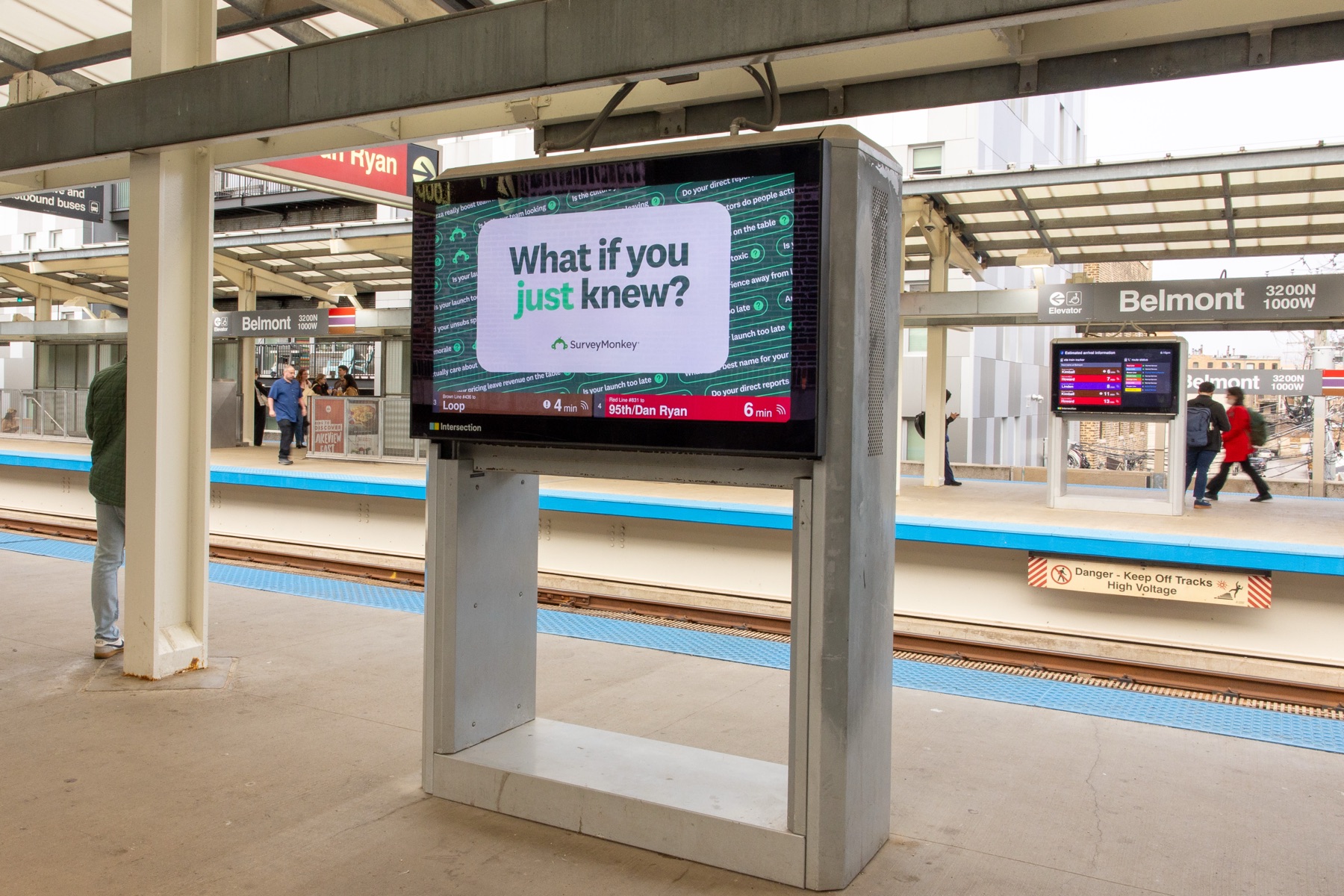
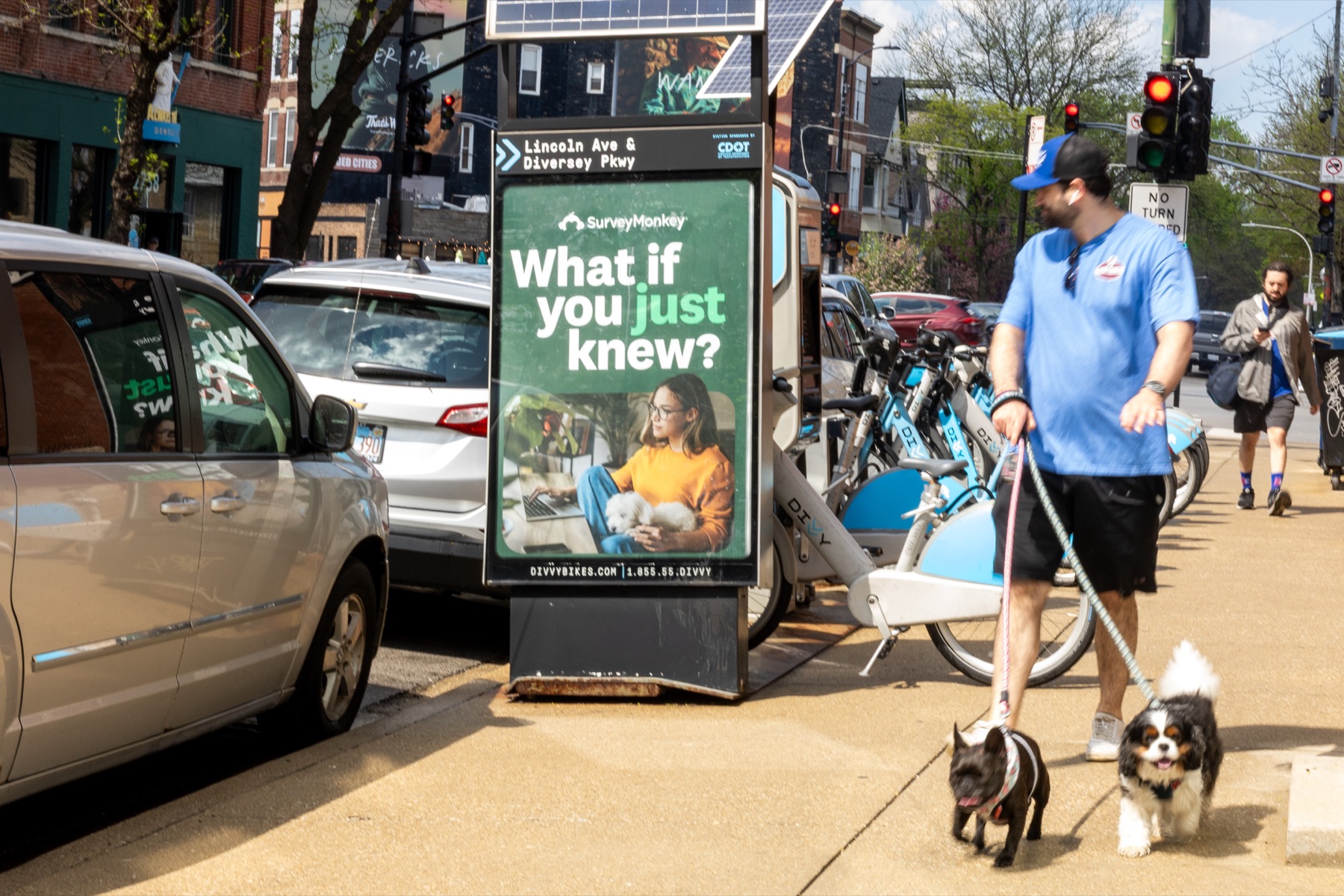
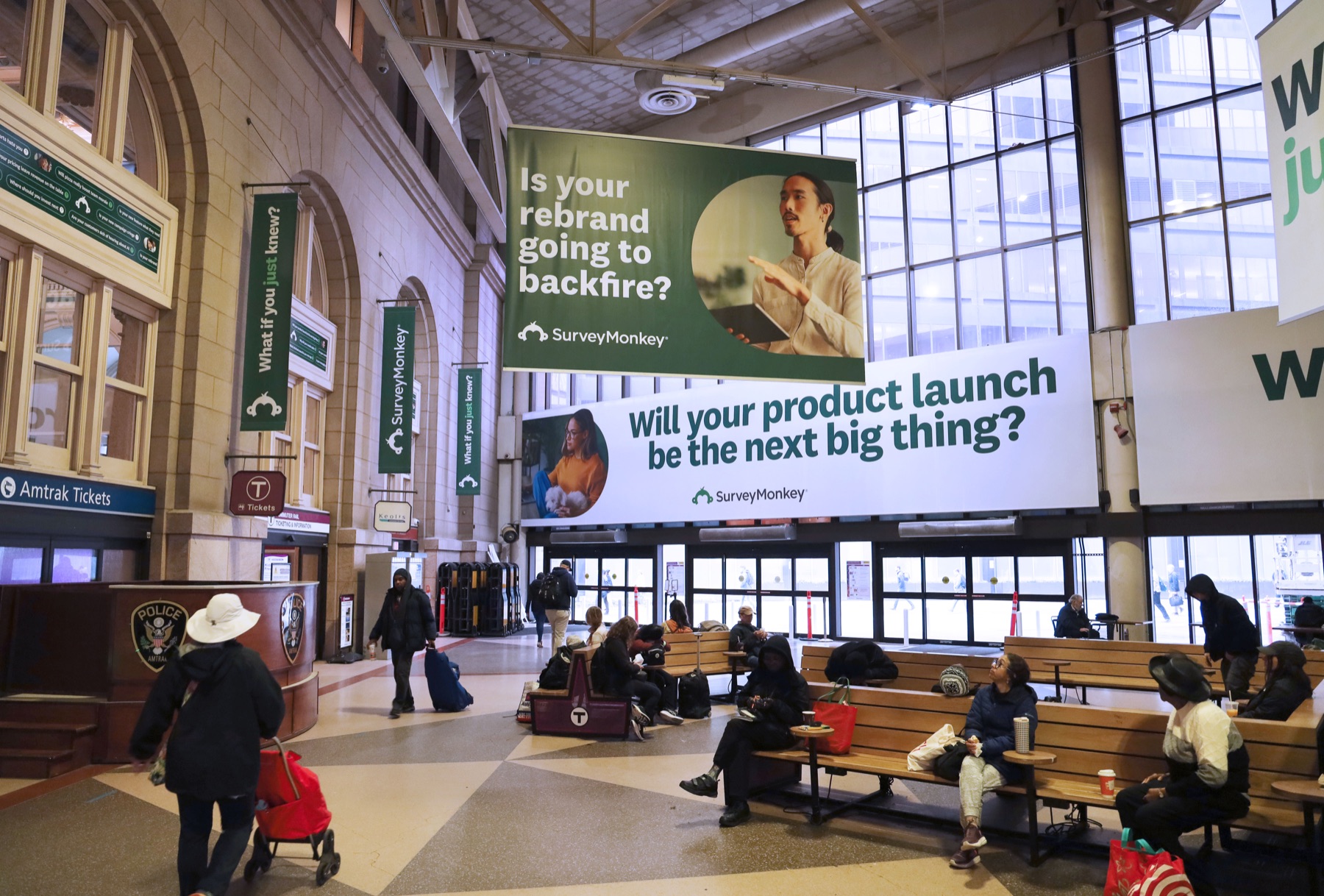
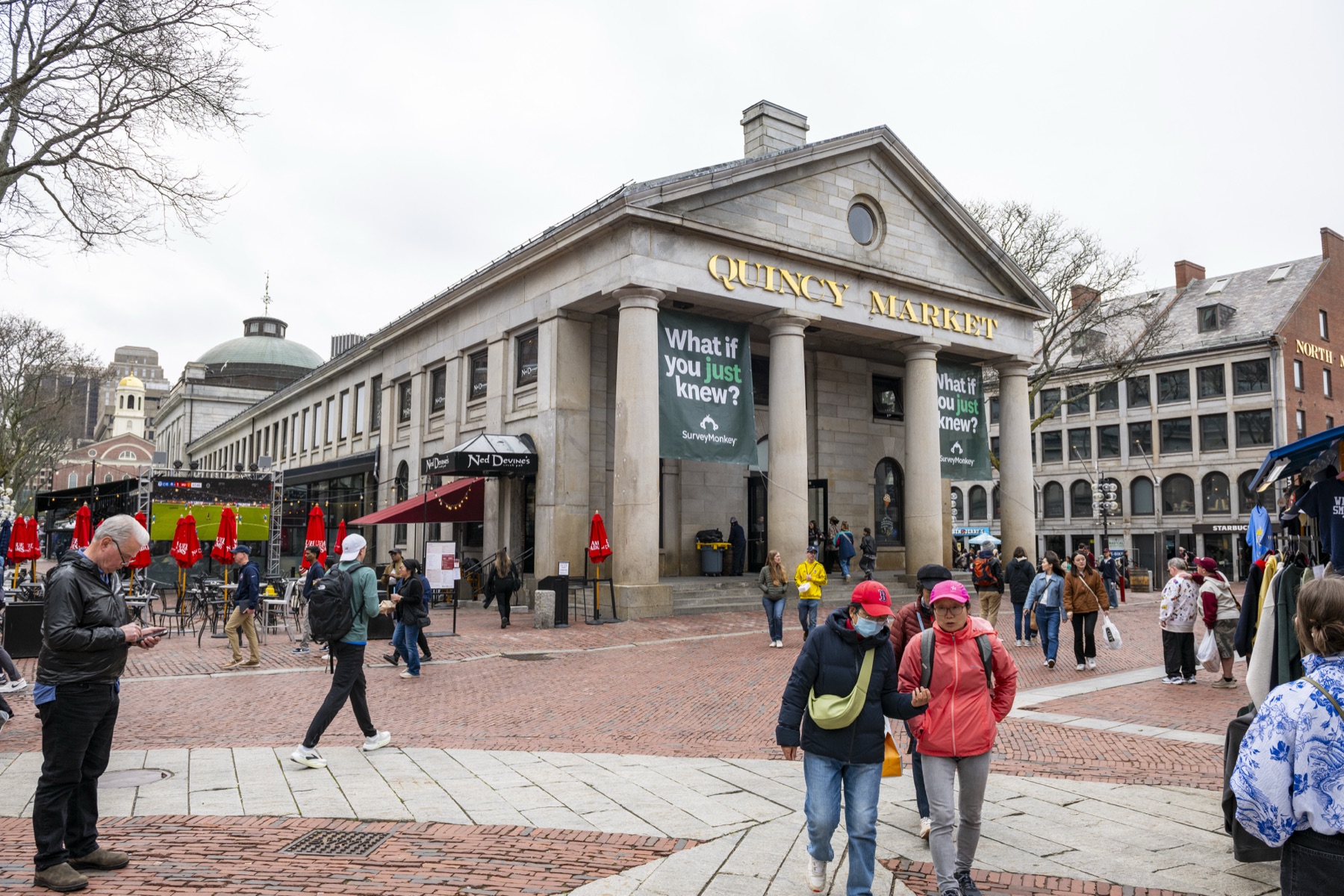
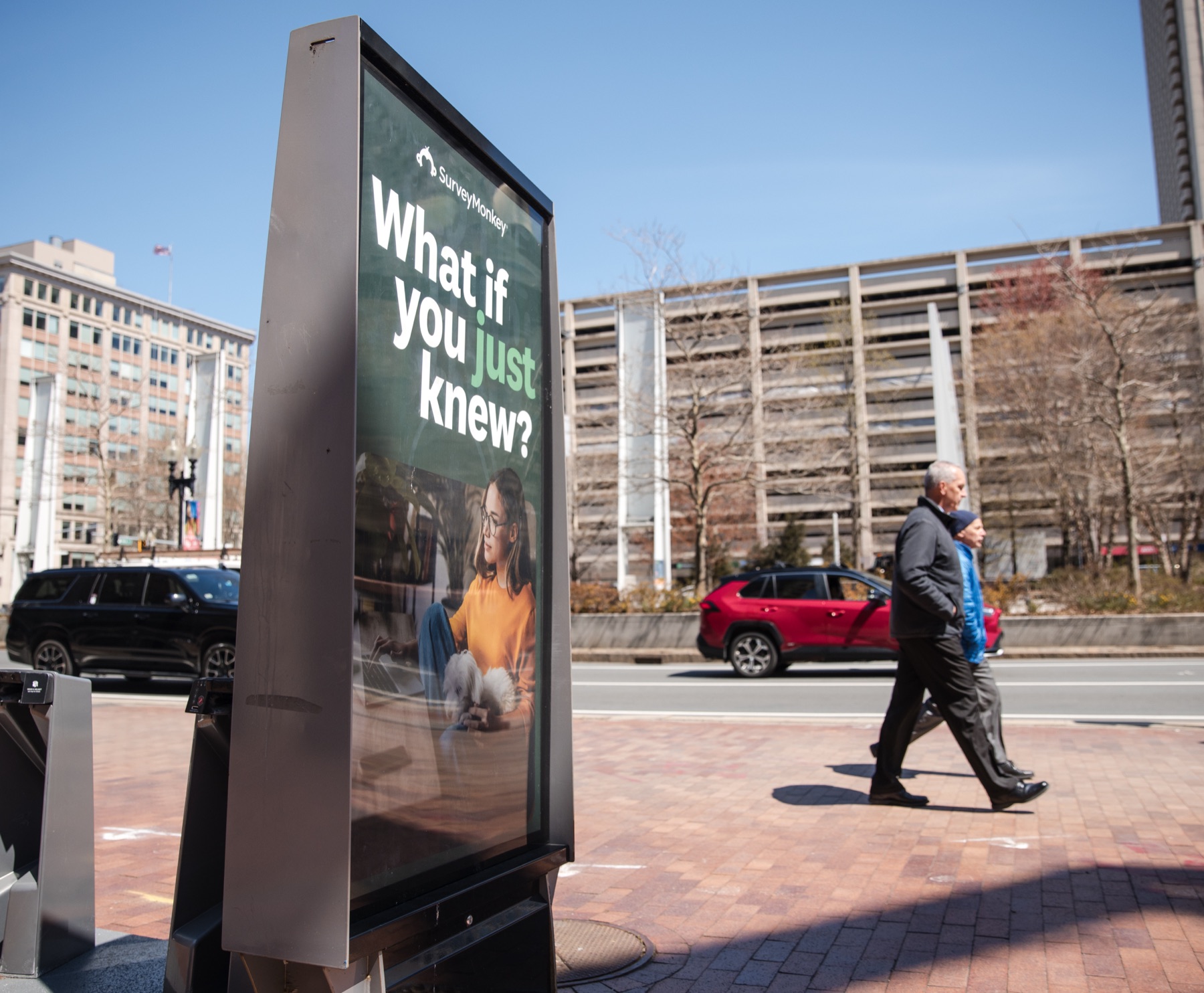
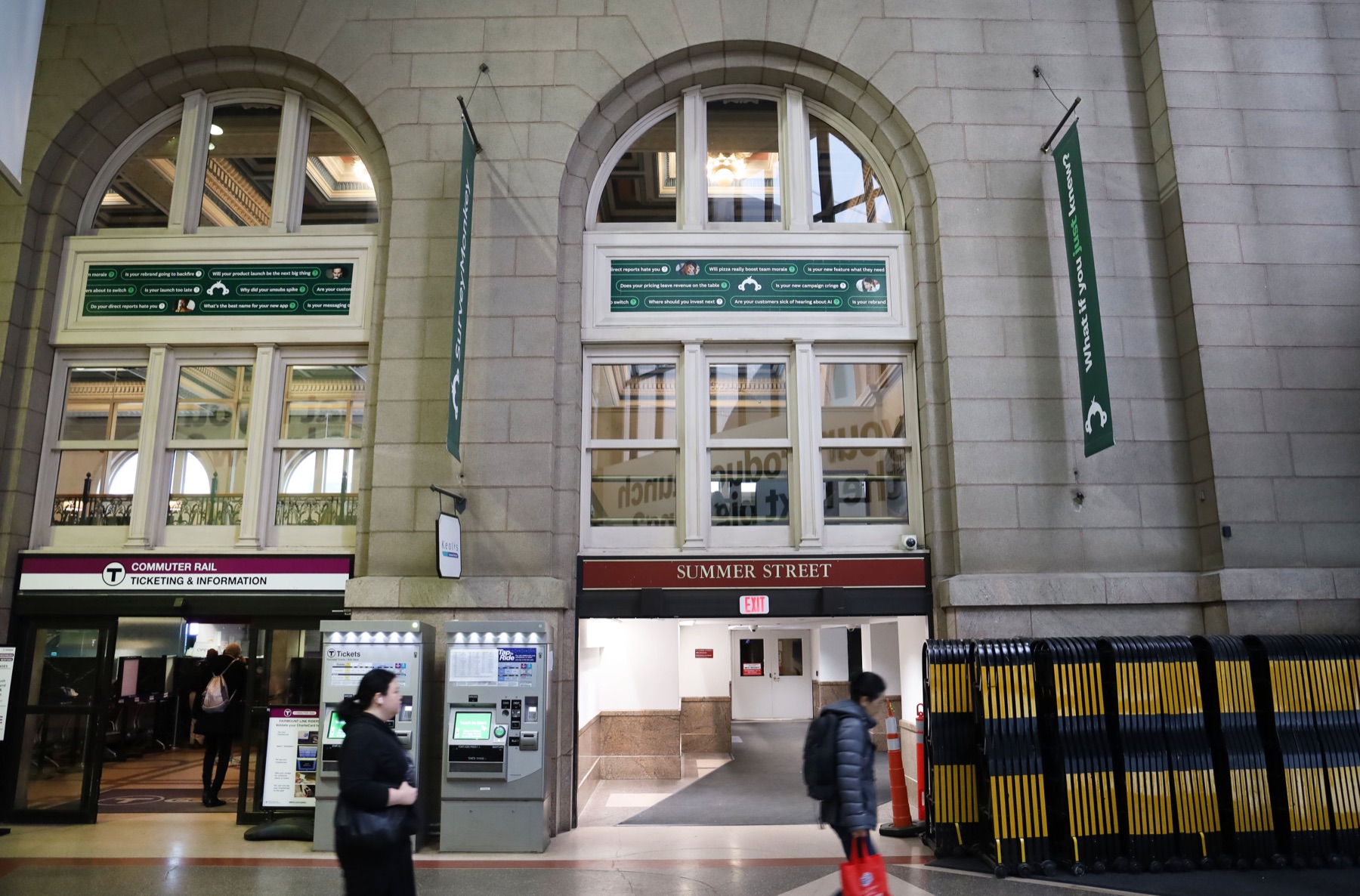
Boston got the monuments: a South Station domination with concourse banners, column wraps, and a full escalator wrap in our questions pattern, plus Quincy Market, urban panels, transit shelters, and Bluebikes. Chicago got movement: a Millennium Station domination, a full CTA bus wrap, platform screens, and Divvy bike-share posters. Targeted paid social ran in both cities to catch everyone the street primed.
Screen-to-survey: the ads asked real questions, and you could take the same survey yourself.
Millennium Station became a SurveyMonkey environment, from wrapped columns to digital screens. Above ground, a full CTA bus wrap carried the question through neighborhoods, past the L, and into the crosswalk.
South Station became the campaign’s biggest canvas: banners over the concourse, questions hung above the ticket windows, and an escalator wrap that read like a scroll of everything you’d want to know before your next big call. Quincy Market, bike-share, and street furniture took it out into the city.


Out-of-home is notoriously hard to measure, so we didn’t pretend otherwise. We read location-based page views and sign-ups against the prior 30 days and against a control market that saw none of it.
Boston’s station domination was the more beautiful buy, and plenty of people saw it. But Chicago’s buses and trains circled the city all day, covering more ground and putting the question in front of more people more often. Chicago’s sign-ups beat the control by 21 points; Boston’s by about two.
Overall lift was more modest than we hoped, and we said so. That honesty is the point: the findings now shape how SurveyMonkey plans and measures out-of-home, with mobile media, a control market, and a screen-to-survey bridge built in from day one.
Studio M, SurveyMonkey’s in-house agency · Brand Creative · Paid Marketing · Growth Marketing · Comms